Why Your Prescription Drug Isn't an Exact Copy
You walk into the pharmacy with a prescription for a high-cost medication. The pharmacist hands you a box that looks almost identical to the brand-name version but costs significantly less. In the world of small-molecule pills, this is standard practice. You get an authorized generic, which is chemically identical to the original drug. But if your medication is a complex injection or infusion-like those used for cancer, rheumatoid arthritis, or Crohn's disease-the rules change completely.
This is where biosimilars come in. Often called authorized biologic alternatives, these are not exact copies. They are "highly similar" versions of reference biologic products. If you're trying to understand why your doctor prescribed a biosimilar instead of a generic, or why insurance is pushing for a switch, you need to grasp the fundamental difference between how we make simple chemicals versus complex living molecules.
The short answer? You can copy a pill perfectly. You cannot copy a cell-perfectly. This distinction drives everything from regulatory approval to your out-of-pocket costs.
The Science Gap: Small Molecules vs. Complex Biologics
To understand authorized biologic alternatives, you first have to look at what they are made of. Traditional drugs, like ibuprofen or aspirin, are small molecule drugs. These are synthesized in a lab using precise chemical formulas. Because their structure is simple and stable, manufacturers can create an authorized generic that is atom-for-atom identical to the brand-name version. The U.S. Food and Drug Administration (FDA) approves these via the Abbreviated New Drug Application (ANDA) pathway, requiring only proof of bioequivalence.
Biologics are different. They are large, complex molecules produced by living organisms-bacteria, yeast, or animal cells. Think of them more like tiny factories than static objects. Because they are grown rather than built, slight variations occur naturally between manufacturing batches. Even the original brand-name product varies slightly from lot to lot. This inherent complexity means it is scientifically impossible to create an identical copy of a biologic.
Instead, regulators accept biosimilars as highly similar counterparts. Under the Biologics Price Competition and Innovation Act (BPCIA) of 2009, manufacturers must prove through a "totality of evidence" approach that their biosimilar has no clinically meaningful differences in safety, purity, or potency compared to the reference product. This includes rigorous testing of structural attributes, pharmacokinetics (how the body processes the drug), and immunogenicity (the risk of triggering an immune response).
Interchangeability: The Key to Substitution
Not all biosimilars are created equal when it comes to pharmacy substitution. This is where the concept of interchangeable biosimilars becomes critical. An interchangeable designation is a specific subset of biosimilars that meets additional requirements set by the FDA.
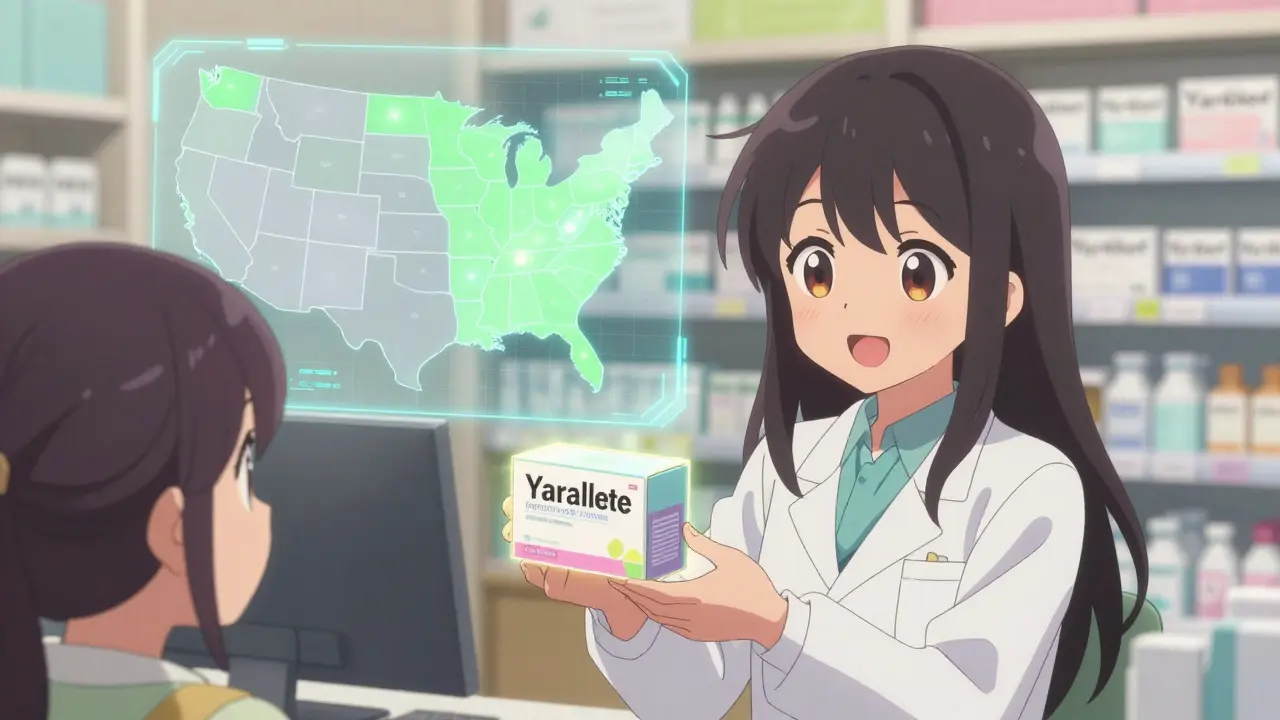
For a biosimilar to be labeled as interchangeable, the manufacturer must demonstrate that the product can be switched back and forth with the reference product without increasing the risk of adverse effects. This mirrors the experience patients have with traditional generics, where pharmacists routinely substitute cheaper options without calling the doctor. However, unlike authorized generics, which are always substitutable, interchangeable biosimilars depend on state laws. As of late 2023, only 32 states had active frameworks allowing pharmacists to substitute interchangeable biosimilars automatically. In other states, prescriber notification or consent may still be required.
This regulatory nuance creates a patchwork system for patients. In California or New York, you might receive an interchangeable biosimilar seamlessly. In other regions, your pharmacist might need to call your provider for permission. This inconsistency often confuses patients who assume "biosimilar" equals "automatic swap," leading to frustration when pharmacies hesitate to fill prescriptions without prior authorization.
| Feature | Authorized Generic | Biosimilar / Interchangeable |
|---|---|---|
| Molecule Type | Small molecule (chemical) | Large, complex biologic (living cells) |
| Manufacturing | Synthesized in labs; exact replication possible | Grown in cells; inherent batch-to-batch variation |
| Regulatory Pathway | ANDA (Hatch-Waxman Act) | BPCIA (Abbreviated Biologics License Application) |
| Similarity Requirement | Chemically identical | Highly similar; no clinically meaningful differences |
| Cost Savings | 80-85% off brand price | 10-50% off brand price |
| Substitution Rights | Automatic nationwide | Varies by state law; requires interchangeability designation |

Cost, Access, and Real-World Impact
Why does any of this matter to your wallet? The primary driver for biosimilar adoption is cost. Brand-name biologics are notoriously expensive, often costing thousands of dollars per month. While authorized generics typically slash prices by 80% to 85%, biosimilars generally offer savings of 10% to 50%. This smaller discount reflects the higher development and manufacturing costs associated with proving similarity for complex molecules.
Despite the lower percentage savings, the absolute dollar amount saved can be substantial. For example, a patient switching from brand-name Humira (adalimumab) to a biosimilar might save hundreds of dollars per dose. The Congressional Budget Office estimates that biosimilars could save Medicare $53 billion between 2024 and 2033 alone. Globally, the biosimilars market was valued at $10.1 billion in 2022 and is projected to reach $58.6 billion by 2030, driven by expiring patents on blockbuster drugs.
However, access remains uneven. As of 2023, the FDA had approved 76 biosimilars, yet their market share remained below 20% in the U.S., compared to nearly 90% for small-molecule generics. Several factors contribute to this gap:
- Physician Hesitancy: Many doctors are trained on reference products and fear unknown side effects from switches. Dr. Gary Lyman of Fred Hutchinson Cancer Research Center noted that physician and patient hesitancy remains a significant barrier, particularly in oncology.
- Insurance Formulas: While 62% of Medicare Part D plans cover biosimilars at the same tier as reference products, others place them in preferred tiers with lower copays, forcing patients to switch even if their current treatment is working well.
- Switching Fatigue: Patients with chronic conditions sometimes undergo multiple switches between reference products and different biosimilars. A 2022 Arthritis Foundation survey found that 37% of patients experienced disruption during forced switches, though only 12% reported actual worsening of symptoms.
Real-world experiences vary. On the American Cancer Society’s forums, breast cancer survivors reported positive outcomes with trastuzumab biosimilars, citing identical efficacy and reduced out-of-pocket costs. Conversely, some pharmacists report isolated cases of injection site reactions after repeated switches, highlighting the importance of monitoring individual patient responses.
Navigating the Future of Biologic Alternatives
The landscape is shifting rapidly. In November 2023, the FDA approved Amjevita, the first interchangeable biosimilar for Humira, signaling a new era of competition. Major players like Amgen, Sandoz, and Pfizer now hold dozens of approved biosimilars each. The FDA’s Biosimilars Action Plan aims to streamline approvals, targeting 15-20 new biosimilars annually by 2025.
For patients, this means more choices and potentially lower costs. However, it also requires vigilance. Always ask your pharmacist if a substitution is automatic or if prescriber approval is needed. Keep records of which specific biosimilar you are taking, as switching between different biosimilars from various manufacturers may carry different risks. Educate yourself on the "interchangeable" designation, as this label offers the closest parallel to the convenience of traditional generic drugs.
As patent cliffs hit major biologics, expect biosimilars to become commonplace. Understanding the distinction between these authorized biologic alternatives and traditional generics empowers you to navigate conversations with providers and insurers confidently, ensuring you receive safe, effective, and affordable care.
Are biosimilars exactly the same as brand-name biologics?
No, they are not identical copies. Due to the complex nature of biological molecules produced by living cells, slight variations are normal. Biosimilars are "highly similar" to the reference product, with no clinically meaningful differences in safety, purity, or potency. The FDA requires rigorous testing to confirm this similarity.
What is the difference between a biosimilar and an interchangeable biosimilar?
All interchangeable biosimilars are biosimilars, but not vice versa. An interchangeable biosimilar meets additional FDA requirements demonstrating that it can be switched back and forth with the reference product without increased risk. This designation allows pharmacists to substitute the drug automatically in states with supportive laws, similar to how generic pills work.
Can my pharmacist substitute a biosimilar without asking my doctor?
It depends on your state laws and whether the biosimilar is designated as "interchangeable." In 32 states with active interchangeability frameworks, pharmacists can substitute interchangeable biosimilars without prescriber intervention. In other states, or for non-interchangeable biosimilars, the pharmacist may need to contact your doctor for approval.
How much cheaper are biosimilars compared to brand-name drugs?
Biosimilars typically cost 10% to 50% less than brand-name biologics. This is less than the 80-85% savings seen with traditional small-molecule generics, reflecting the higher manufacturing and development costs of complex biologic products.
Is it safe to switch between different biosimilars?
While biosimilars are rigorously tested for safety, frequent switching between different biosimilars or back to the reference product can sometimes cause issues. Some patients report minor side effects like injection site reactions after multiple switches. It is generally recommended to stay on one consistent product unless medically necessary.