Imagine paying $12 for a month's supply of blood pressure medication instead of the usual $40. For many Americans, this isn't just a hypothetical; it's reality thanks to prescription discount cards. These tools have become essential for managing healthcare costs, especially as high-deductible health plans force more people to pay out-of-pocket before insurance kicks in. But with so many options available, from big-box store programs to digital apps, figuring out which one actually saves you money can feel like a part-time job.
The landscape of drug pricing is complex, but the core mechanism is straightforward. These programs negotiate lower prices directly with pharmacies or manufacturers, bypassing traditional insurance networks. Whether you are uninsured, underinsured, or simply trying to beat your copay, understanding how these systems work can save you hundreds of dollars annually. Let's break down exactly how they function, who benefits most, and how to navigate the pitfalls that often trip up users.
Understanding How Drug Discount Cards Work
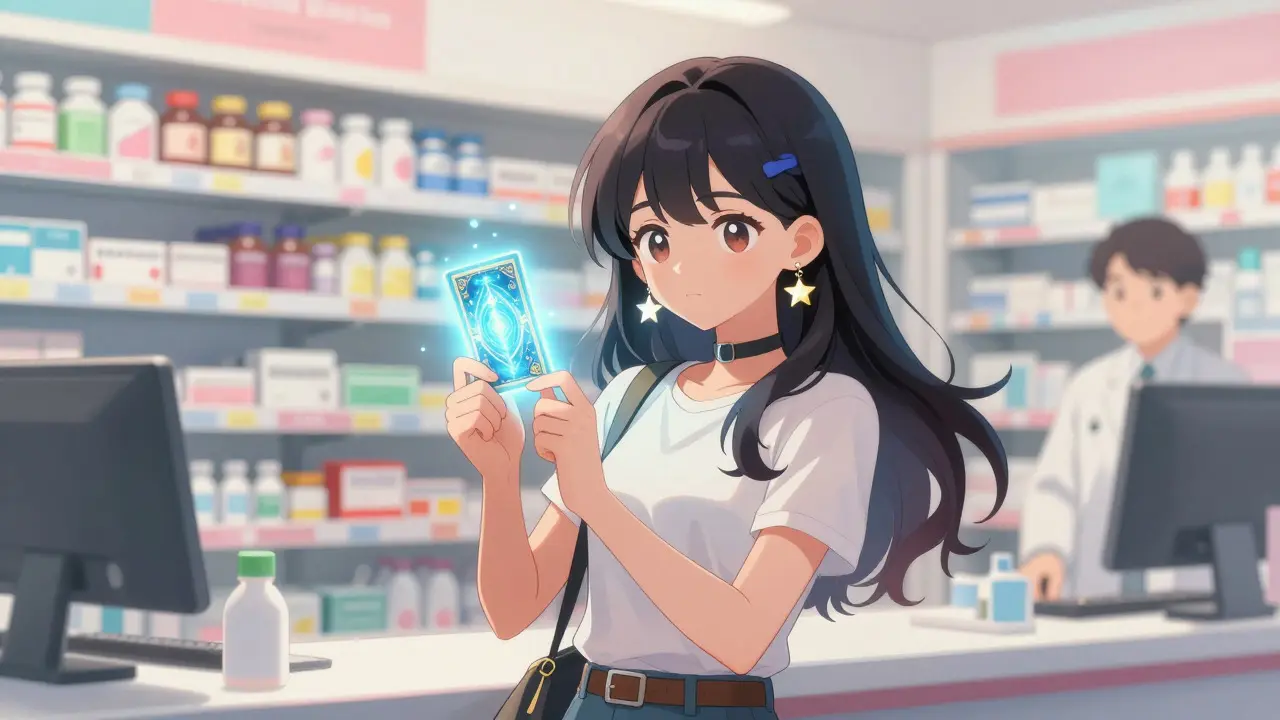
Prescription drug discount cards are third-party services that provide patients with reduced prices on medications through negotiated rates with pharmacies, functioning as an alternative payment mechanism rather than insurance. Unlike health insurance, which involves premiums and deductibles, these cards typically cost nothing upfront. You present a digital code or printed card at the pharmacy counter, and the pharmacist applies a pre-negotiated price.
The history of these programs is surprisingly recent. The modern era began in late 2006 when Walmart launched its famous $4 generic drug program. This move sparked a wave of competition, with Target, Kroger, and Costco quickly following suit. Today, the market has evolved into a mix of retail-specific programs and national digital platforms. Major players include GoodRx, founded in 2011, which claims coverage at over 70,000 pharmacies nationwide, and Blink Health, established in 2015.
There are two main types of programs you will encounter:
- Pharmacy-Specific Savings Plans: Offered by large chains like Walmart or Kroger, these usually feature standardized pricing, such as $4 for a 30-day supply of common generics or $10 for a 90-day supply.
- Third-Party Digital Cards: Services like GoodRx and NeedyMeds use algorithms to compare prices across multiple pharmacies. They receive payments from pharmacies when their card is used, creating a network effect that drives down prices further.
The Real Numbers: What You Can Actually Save
Do these cards actually deliver on their promises? The data suggests yes, but with significant caveats depending on the type of medication. A 2022 cross-sectional pricing analysis published in Circulation: Cardiovascular Quality and Outcomes provided concrete metrics on this issue. The study found that for generic-only regimens, specifically guideline-directed medical therapy for heart failure, discount cards achieved an average 65% discount compared to standard cash prices. In some cases, a three-drug regimen could be acquired for as little as $11 per month.
However, the savings shrink dramatically when brand-name drugs enter the picture. The same study revealed that when brand-name SGLT2 inhibitors were included in a four-drug regimen, monthly costs escalated to between $1,200 and $1,500, despite the discount. The savings rate dropped to approximately 10%. This highlights a critical distinction: these programs are powerfully effective for generics but offer limited relief for expensive brand-name prescriptions.
| Program Type | Primary Focus | Average Savings (Generics) | Average Savings (Brand-Name) | Access Method |
|---|---|---|---|---|
| Pharmacy-Specific (e.g., Walmart) | Common Generics | Standardized ($4/$10 tiers) | Limited/None | In-store only |
| Digital Third-Party (e.g., GoodRx) | All Medications | Up to 85% | ~10% | Mobile App/Web |
| Integrated PBM Programs | Insurance + Discounts | Variable | Variable | Automatic via Insurance |

Who Benefits Most from These Programs?
You might wonder if you even need a discount card if you have insurance. The answer depends heavily on your specific plan structure. According to the Kaiser Family Foundation, 43% of U.S. workers were covered by high-deductible health plans (HDHPs) in 2022. If you fall into this category, you likely pay full cash prices until you meet your deductible, making discount cards invaluable during that waiting period.
For those without any insurance, these programs are often the best option available. An analysis by the Ohio State University College of Pharmacy noted that these programs are "most beneficial for uninsured patients, as the discounted generic price with the card may not be superior to an insurance copay" for insured individuals. In other words, if your insurance copay is already low (say, $5), a discount card offering 50% off a $20 drug won't help you much. But if your copay is $20 and the cash price is $50, the card wins easily.
Recent developments have blurred these lines. By 2023, 45% of large employers began incorporating automatic discount card integration into their pharmacy benefits. This means your insurance plan might automatically apply the lowest price between your insurance copay and the best available discount card price, removing the manual comparison step for many employees.
Navigating the Pitfalls and Common Frustrations
While the potential savings are real, the user experience is not always smooth. A 2023 survey by Consumer Reports found that 68% of users who tried multiple discount cards reported having to visit several pharmacies to find the best price. Furthermore, 42% indicated that this process caused delays in getting their medication.
One major frustration is price inconsistency. Users on online forums frequently report scenarios where the same drug costs significantly different amounts on different platforms at the same location. For instance, one user reported paying $15 with Blink Health while another platform charged $42 for the identical refill. This variability requires vigilance. You cannot assume the app you used last month still offers the best price today.
Another hidden cost is time. The US Pharmacist primer notes that comparing prices typically takes 5 to 15 minutes per prescription. For patients managing multiple chronic conditions requiring five or six different medications, this administrative burden can add up to hours each month. Dr. Michael Fischer, an associate professor at Harvard Medical School, described this as contributing to a "piecemeal system" that places substantial burden on patients who must constantly shop around.
Practical Steps to Maximize Your Savings
To get the most out of these programs, you need a strategy. Here is a practical approach to ensure you aren't overpaying:
- Check Multiple Platforms: Don't rely on just one app. Compare prices on GoodRx, Blink Health, and NeedyMeds. Prices fluctuate based on pharmacy contracts and manufacturer deals.
- Verify Pharmacy Participation: Not all pharmacies participate in every program. Before driving across town, call ahead or check the app's map to confirm the specific branch accepts the card.
- Compare Against Insurance: If you have insurance, always calculate your expected copay. Use your insurer's online tool to see the exact out-of-pocket cost. Only use the discount card if it beats the copay.
- Ask About Therapeutic Interchange: Sometimes, a slightly different generic version of your drug is cheaper. Ask your pharmacist if there is an equivalent option that qualifies for a better discount tier.
- Watch for Brand-Name Traps: If you are prescribed a brand-name drug, ask your doctor about generic alternatives first. If no generic exists, understand that discount cards will offer minimal savings (around 10%), and look into patient assistance programs instead.
It is also worth noting that pharmacists play a crucial role in this process. Many are trained to advocate for the most affordable option. If you seem unsure, ask them to run the numbers for you. They can often spot a cheaper therapeutic switch or a better pharmacy nearby instantly.
The Future of Drug Affordability
The market for drug discount cards is growing rapidly. InsightAce Analytic projects the market will expand from $1.2 billion in 2023 to $3.8 billion by 2034, driven by the rise of consumerism in healthcare and the proliferation of high-deductible plans. However, regulatory scrutiny is increasing. The Federal Trade Commission issued warnings in 2022 regarding antitrust implications, particularly concerning how Pharmacy Benefit Managers (PBMs) share revenue with discount card providers.
As we move forward, expect to see more integration between insurance and discount platforms. The goal is to make the "best price" automatic rather than something you have to hunt for. Until then, staying informed and proactive remains your best defense against skyrocketing medication costs. Whether you are using a $4 list at a local grocery store or a sophisticated algorithm on your phone, the principle is the same: transparency leads to savings.
Are prescription discount cards free to use?
Yes, most major discount cards like GoodRx and Blink Health are free to join and use. You do not pay a membership fee. The revenue model relies on pharmacies paying a small fee to the discount provider when the card is used, which incentivizes the lower price.
Can I use a discount card if I have health insurance?
Yes, but you should only use it if the discounted price is lower than your insurance copay. If your insurance covers 80% of the drug, your copay might be lower than the cash price offered by the discount card. Always compare both options before paying.
Do discount cards work for brand-name drugs?
They do work, but the savings are significantly smaller. Studies show that while generics can see discounts of up to 85%, brand-name drugs often only see reductions of around 10%. For expensive brand-name medications, manufacturer patient assistance programs are usually a better source of savings.
Why does the same drug cost different amounts on different discount apps?
Discount cards negotiate separate contracts with different pharmacies and manufacturers. Prices change frequently based on these agreements. Additionally, some apps may prioritize certain partners, leading to price variations even within the same geographic area.
What is the difference between a discount card and a coupon?
A discount card provides a percentage or fixed-price reduction based on negotiated rates and can generally be used repeatedly at participating locations. A coupon, often issued by manufacturers, is usually a one-time voucher for a specific dollar amount or percentage off a single brand-name product and may have expiration dates or usage limits.