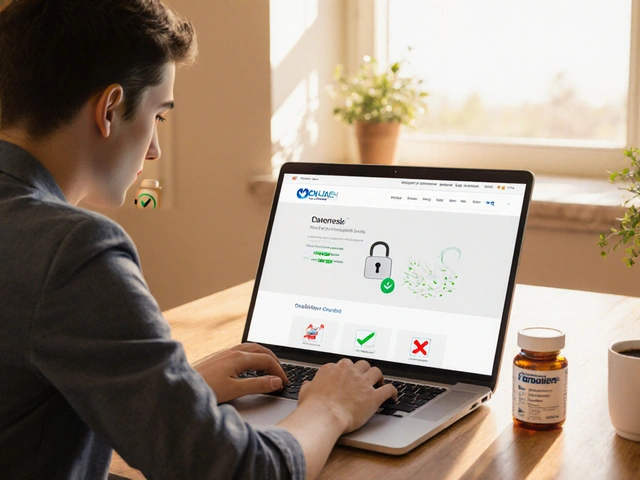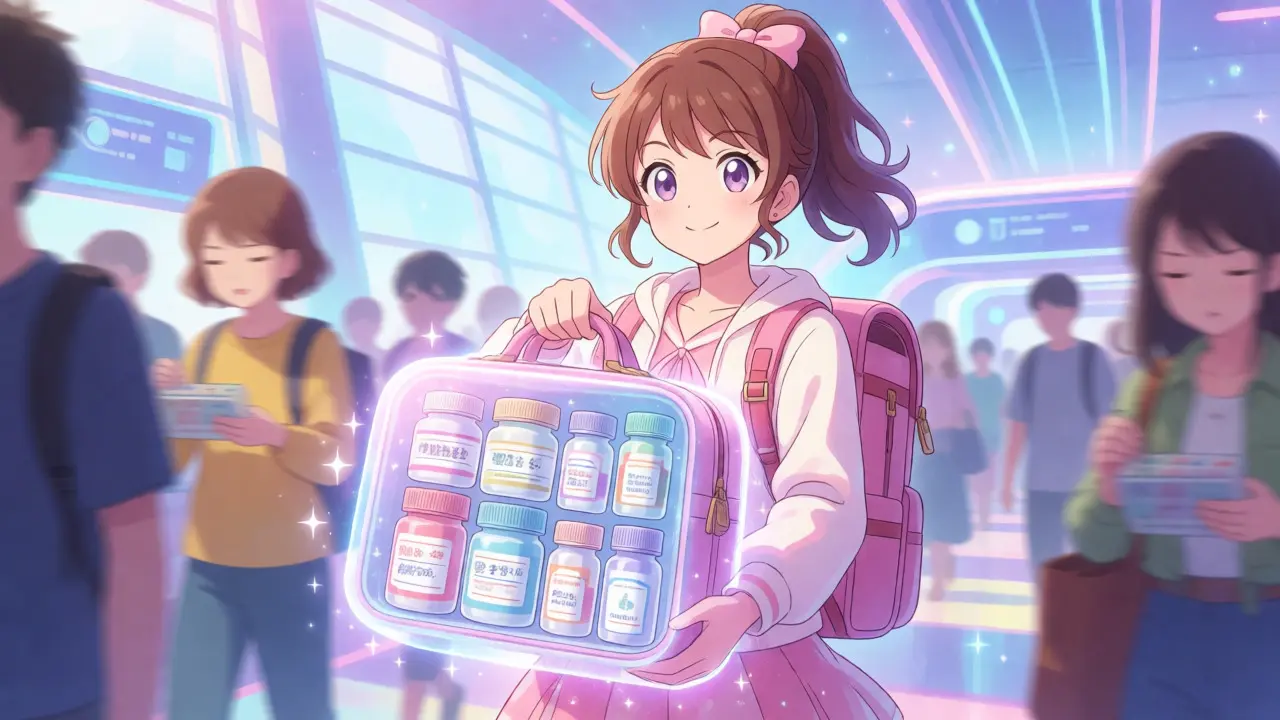
You’ve packed your bags, checked the weather forecast, and downloaded your playlists. But have you thought about how you’re packing your pills? It sounds like a minor detail, but where you store your medications can be the difference between a smooth vacation and a night in an airport holding cell.
Here is the reality: while U.S. security might not care if you use a cute pill organizer, customs officers in Japan or Thailand absolutely do. In fact, data shows that travelers using original pharmacy labels face significantly fewer delays at borders. If you want to avoid the headache of explaining what’s in your bag to a border agent who doesn’t speak English, stick to the original containers. Here is exactly why, and how to do it right for domestic and international trips.
The Big Misconception About TSA Rules
Most people think the Transportation Security Administration (TSA) requires medications to be in their original bottles. They don’t. The TSA’s official stance is pretty relaxed: they don’t ask you to keep medicines in original prescription bottles. You can technically throw all your daily vitamins and prescriptions into a weekly pill case, and you will likely pass through security in Atlanta or Denver without a second glance.
But here is the catch. The TSA handles security; they don’t handle legality across state lines or international borders. While federal guidelines are permissive, state laws are often stricter. For example, 37 U.S. states, including California, New York, and Texas, have specific labeling requirements that mandate prescription medications be transported in their original containers. If you are driving across state lines, a pill organizer might look suspicious to a police officer who expects to see a pharmacy label matching the driver’s license.
So, while you can pack loose pills for a flight within the U.S., you are playing a game of chance. Keeping them in the bottle removes the guesswork entirely.
Why International Borders Are Different
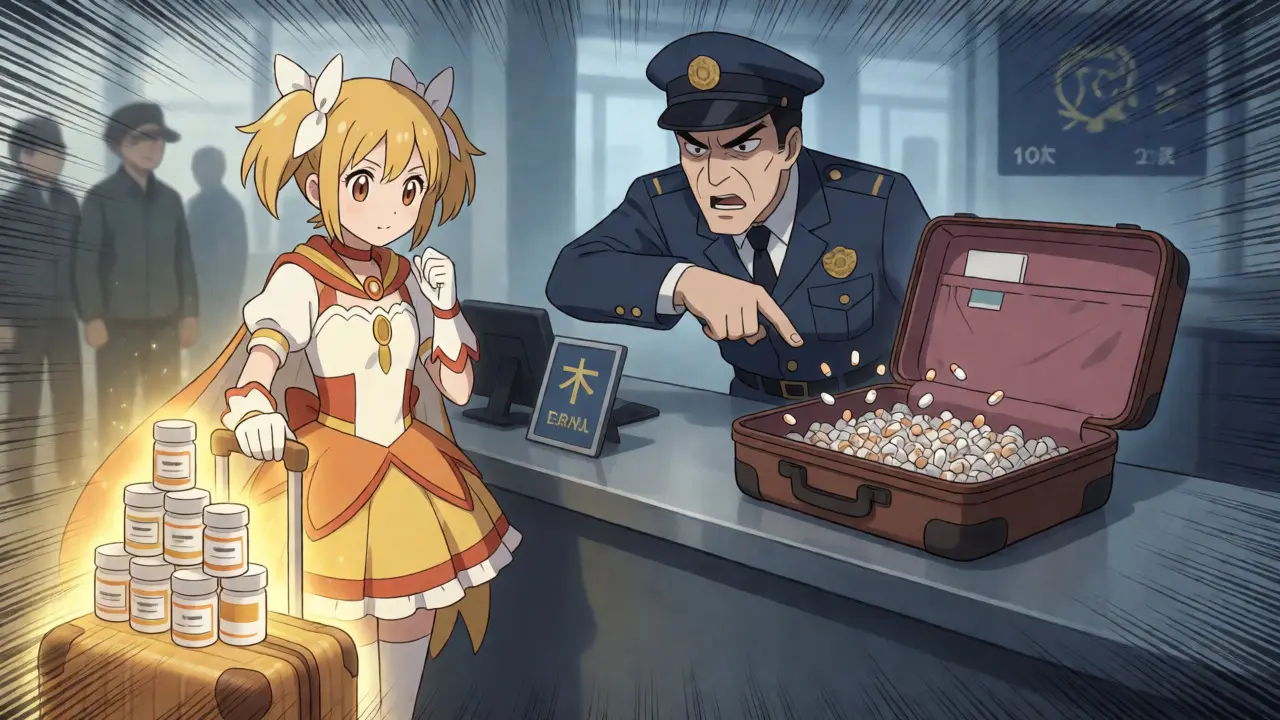
If you are leaving the country, the rules change drastically. This is where the "original container" rule shifts from a suggestion to a necessity. Customs agencies worldwide rely on visual identification. A pharmacist’s label with the generic name, dosage, and your name is the universal language of medicine. A handful of blue oval tablets in a ziplock bag? That looks like contraband.
Consider this: pseudoephedrine (commonly found in Sudafed) is banned in Japan, the UAE, and South Korea. Codeine is restricted in Thailand and Singapore. Adderall and Ritalin are outright illegal in many European and Middle Eastern countries. If you are carrying these in unmarked containers, you risk having them confiscated or facing fines.
According to the U.S. Embassy in Mexico, presenting medications in pharmacy-labeled containers alongside physician documentation reduced entry denials by 68% compared to those using pill organizers. Similarly, the International Association for Medical Assistance to Travelers found that travelers with original containers experienced 73% fewer delays during customs inspections. These aren't just anecdotes; they are hard numbers showing that paperwork and packaging save time.
| Factor | Domestic (U.S.) | International |
|---|---|---|
| Container Requirement | TSA allows pill cases; State laws vary (stricter in CA, NY, TX) | Original labeled containers strongly recommended or required |
| Liquid Limits | >3.4 oz allowed if declared as medically necessary | Varies by country; often stricter quantity limits |
| Risk Factor | Low (mostly inconvenience if questioned) | High (confiscation, fines, or detention possible) |
| Documentation | Prescription copy helpful | Doctor's letter + Prescription copy essential |
The Power of Proper Documentation
Packing the bottle is step one. Step two is proving it belongs to you and is prescribed for you. Even with original containers, customs agents may want verification. You need a paper trail.
Carry a copy of your prescription or, better yet, a letter from your doctor. This letter should include:
- Your full name (matching your passport).
- The generic name of the medication (not just the brand name).
- The dosage and frequency.
- The condition being treated.
- The prescribing physician’s contact info and license number.
This document acts as your shield. If a border agent questions why you are carrying three months' worth of anxiety medication, handing over a signed letter from Dr. Smith clears things up instantly. Without it, you are relying on the agent’s discretion, which isn’t always generous.
Handling Liquids and Temperature-Sensitive Meds
Not all meds come in pills. Insulin, liquid antibiotics, and certain injectables require special handling. The TSA has clarified its stance on liquids: you can bring liquid medicine weighing more than 3.4 ounces in reasonable amounts. However, you must tell a TSA officer at the start of screening that you have medically necessary liquids. Don’t wait until you are in the bin to mention it.
Temperature control is another silent killer of medication efficacy. The Cleveland Clinic reports that 23% of travelers experienced medication degradation during flights due to improper storage. Checked bags are notorious for temperature swings. Cargo holds can get freezing cold or uncomfortably warm depending on the aircraft and ground time.
United Airlines and other carriers explicitly advise never placing medication in checked baggage. Keep everything in your carry-on. If you need ice packs for insulin, ensure they are frozen solid when going through security. If they are partially melted, they might be subject to the standard liquid rules, which could cause delays.
What If You Must Use a Pill Organizer?
Sometimes, carrying ten different bottles is just too bulky. Maybe you are on a long cruise or a multi-week backpacking trip. If you choose to decant your pills, you need to mitigate the risks.
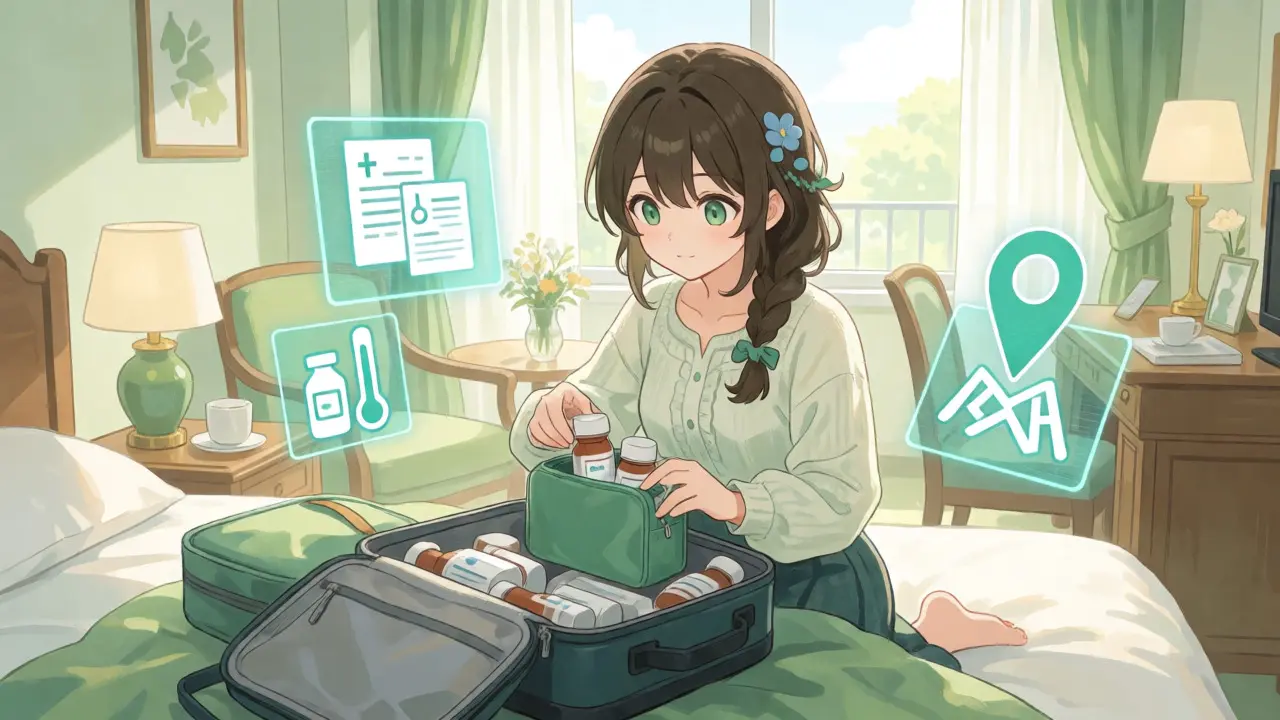
First, take a photo of every original bottle label before you pour them out. Store these photos in a dedicated folder on your phone. Second, print out a simple list of your medications with generic names, dosages, and frequencies. Third, if you use a pill organizer, write the medication name and dose directly on the compartment or attach a small tag.
However, be aware that this method is risky for controlled substances (like opioids or ADHD meds). Many countries strictly prohibit carrying controlled substances in unlabeled containers. For these, bite the bullet and bring the original bottles. The bulk is worth the peace of mind.
Avoiding Counterfeit and Quality Issues
When you return home, you might be tempted to buy cheaper meds abroad. Be careful. The FDA warns that unapproved versions of drugs brought back from other countries can be counterfeit or substandard. Their testing showed that 11.7% of medications purchased internationally were problematic, rising to 28.4% in Southeast Asia.
Keeping your original U.S. packaging helps you distinguish what you started with versus what you bought abroad. It also ensures that if you have a bad reaction, you know exactly what you took. Pharmacists can identify the drug by the NDC code on the original label, which speeds up treatment.
Checklist for Your Next Trip
Before you zip up your bag, run through this quick audit:
- Inventory Check: Do you have enough meds for the entire trip plus a few extra days in case of delays?
- Container Audit: Are all prescription meds in original labeled bottles?
- Documentation: Is there a doctor’s letter and prescription copies in your carry-on?
- Liquid Declaration: Have you identified any liquids >3.4oz and planned to declare them?
- Research: Have you checked the destination country’s banned substance list (e.g., check if Pseudoephedrine is legal in Japan)?
- Storage: Is everything in your carry-on? No checked bags?
Traveling with health needs shouldn't add stress to your journey. By sticking to original containers and carrying proper documentation, you align yourself with global best practices. You make life easier for security agents, reduce your risk of confiscation, and ensure your health stays protected from departure to arrival. Pack smart, label clearly, and fly easy.
Do I legally have to keep my pills in their original bottles for domestic flights?
No, the TSA does not legally require medications to be in original containers for domestic flights. However, some U.S. states have laws requiring original labeling for transport, so keeping them in original bottles is safer to avoid potential issues with law enforcement or state-specific regulations.
Can I bring liquid medication larger than 3.4 ounces in my carry-on?
Yes, TSA allows liquid medications exceeding 3.4 ounces in reasonable quantities for the duration of your trip. You must declare these liquids to a TSA officer at the beginning of the security screening process.
What happens if I forget my doctor's note when traveling internationally?
While not always fatal, forgetting a doctor's note increases the risk of delays or questioning at customs, especially for controlled substances. Agents may inspect the medication more closely or verify the prescription with your provider, potentially causing significant hold-ups.
Is it safe to put medication in checked luggage?
It is generally unsafe. Checked bags experience extreme temperature fluctuations and high humidity, which can degrade medication effectiveness. Additionally, if your bag is lost, you lose access to critical medications immediately. Always keep meds in your carry-on.
Are common OTC meds like Sudafed allowed in all countries?
No. Common ingredients like pseudoephedrine (Sudafed) are prohibited in several countries, including Japan, the UAE, and South Korea. Always research your destination's specific medication restrictions before packing.