Why Proper Colonoscopy Prep Matters
Colonoscopy preparation is the process of cleaning out your colon before a colonoscopy procedure. Proper preparation is critical because studies show up to 25% of colonoscopies have suboptimal cleansing, leading to missed adenomas in 11-47% of cases. Colorectal cancer is the second-leading cause of cancer deaths in the United States, but nearly 90% of cases are preventable through regular screening. If your colon isn’t fully clean, doctors might miss precancerous polyps, which could turn into cancer later.
Your Step-by-Step Prep Timeline
Colonoscopy prep starts 2-3 days before the procedure. Here’s exactly what to do when:
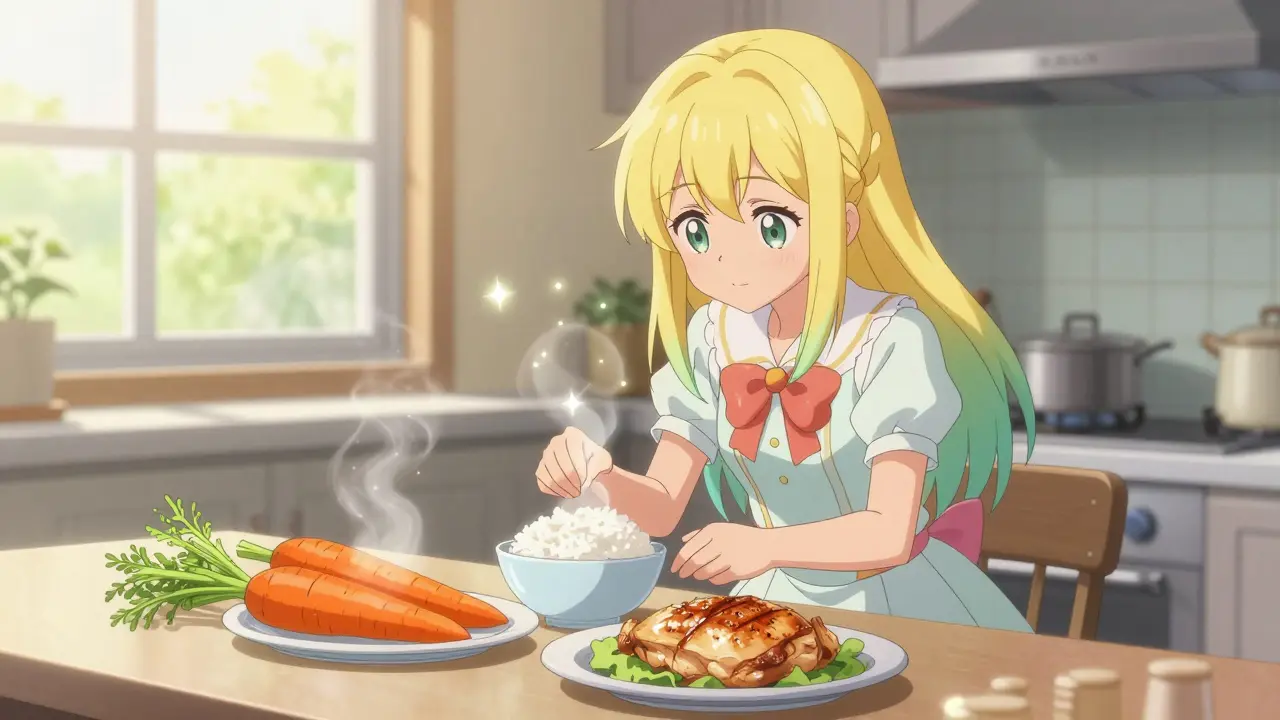
- Two days before: Switch to a low-fiber diet. Avoid raw fruits, vegetables, seeds, nuts, and whole grains. Stick to cooked vegetables, white bread, rice, eggs, and lean meats like chicken or fish. This reduces residue in your colon.
- One day before: Switch to a clear liquid diet starting at noon. Clear liquids include water, apple juice, white grape juice, ginger ale, clear broth, and black coffee or tea (no cream or sugar). Avoid red, purple, or orange liquids - these can mimic blood during the exam. For example, red Gatorade or grape juice is off-limits.
- Night before: Take half of your bowel prep solution (usually around 6 PM). Drink plenty of water between doses to stay hydrated.
- Morning of procedure: Take the remaining half of the prep solution 4-6 hours before your appointment. Finish all liquids at least 3 hours before the procedure. For example, if your colonoscopy is at 9 AM, stop drinking by 6 AM.
What to Eat and Drink
When it comes to clear liquids, stick to these safe options:
- Water
- Apple juice or white grape juice (no pulp)
- Ginger ale or lemon-lime soda (like Sprite)
- Clear broth (chicken or beef, strained)
- Black coffee or tea (no cream, milk, or honey)
Here’s what to avoid:
- Red, purple, or orange liquids (they look like blood during the exam)
- Milk, cream, or dairy products (they leave residue)
- Alcohol (dehydrates you)
- Smoothies or thick drinks (they’re not clear)
Clear liquid diet is your key to a successful exam. It’s not just about what you drink - it’s about what’s visible to the doctor. If your stool isn’t clear yellow liquid by the time of the procedure, the doctor might not see polyps properly.
Hydration: Don’t Skip This Step
Dehydration is a common issue during prep. Drink 8 ounces of water every hour while you’re awake. Aim for 64-96 ounces total. If you feel dizzy or have a headache, add electrolyte drinks like Gatorade (non-red varieties). These help maintain your body’s balance without affecting the prep. Studies show about 15-20% of patients get dehydrated during prep, which can make the process harder and less effective. Proper hydration ensures your prep solution works as it should.
Split-Dose Prep: Why It Works Better
Most doctors recommend splitting your bowel prep into two doses. Taking half the night before and half the morning of the procedure works better than taking it all at once. Studies show 85-90% of patients achieve adequate cleansing with split doses compared to 70-75% with single-dose regimens. This means fewer missed polyps and better cancer detection. For example, if your procedure is at 9 AM, take half the prep at 6 PM the night before and the other half at 5 AM the morning of. Always follow your doctor’s specific timing instructions.
Common Mistakes to Avoid
Many patients make these critical errors:
- Eating solid food the day before: This is a common mistake. If you eat anything solid after noon the day before, your colon won’t be clean enough. Doctors may cancel the procedure.
- Taking the last dose too late: If you finish the prep less than 4 hours before your appointment, your colon may not be fully clear. Always check the timing instructions from your doctor.
- Drinking prohibited liquids: Red, purple, or orange drinks can look like blood during the exam. Stick to clear, light-colored liquids like lemon-lime soda or apple juice.
- Skipping hydration: Not drinking enough water leads to dehydration and poor prep quality. About 15-20% of patients experience this issue, which can cause dizziness or confusion.

Practical Tips to Make Prep Easier
Make your colonoscopy prep less stressful with these real-world tips:
- Chill your prep solution: Drink it cold through a straw. Many patients find it tastes better this way. For example, MiraLAX-based solutions often get better reviews when chilled.
- Set alarms: It’s easy to forget when you’re feeling unwell. Set one for the night before and one for the morning dose.
- Stay near a bathroom: You’ll likely need to go 3-6 times per hour. Have soft toilet paper, unscented wet wipes, and zinc oxide cream ready to soothe irritation.
- Plan entertainment: Bring a book, movie, or music playlist to pass the time during bathroom trips.
- Ask for help: Have someone stay with you during prep. They can remind you to drink water or help with comfort items.
What to Expect During Prep
Once you start the bowel prep solution, expect frequent bathroom trips. Most patients have 3-6 visits per hour, and the process lasts 4-8 hours until stool becomes clear yellow liquid. This is the sign your prep is working. If your stool is still cloudy or has chunks, you might need more prep. Always check with your doctor if you’re unsure. Remember: clear yellow liquid means your colon is ready for the exam. Anything darker or solid could mean the doctor misses polyps.
Why This Matters for Cancer Prevention
Proper colonoscopy prep directly impacts cancer prevention outcomes. Incomplete bowel preparation leads to missed adenomas in up to 22% of cases, significantly reducing the effectiveness of colorectal cancer screening. Studies show excellent preparation quality correlates with adenoma detection rates 15-25% higher than with poor preparation. This means catching more polyps before they turn into cancer. Colorectal cancer is 90% treatable when detected early - but only if the colon is clean enough to see it.
What happens if I accidentally eat solid food the day before?
If you eat solid food after noon on the day before your procedure, contact your doctor immediately. They may reschedule your colonoscopy to ensure proper preparation. Eating solid food can leave residue in your colon, making it difficult for the doctor to see polyps clearly. This increases the risk of missing early signs of cancer.
Can I drink coffee during my colonoscopy prep?
Yes, but only black coffee without cream or sugar. Tea without milk is also allowed. Anything with dairy or colored additives (like caramel syrup) is not allowed. These can leave residue or mimic blood during the exam. Stick to plain black coffee or tea to stay safe.
How do I know if my bowel prep is complete?
Your stool should be clear yellow liquid with no solid particles. If it’s still cloudy, brown, or has chunks, your prep isn’t complete. This means the doctor might not see polyps properly. If you’re unsure, call your doctor’s office. They’ll tell you if you need to do more prep or if it’s safe to proceed.
What medications should I stop before the colonoscopy?
Avoid iron supplements and fiber products at least 3 days before the procedure. Most other medications are okay, but always check with your doctor. For example, blood thinners or diabetes medications might need adjustments. Never stop prescribed medications without medical advice. Your doctor will give you specific instructions based on your health needs.
What if I can’t finish the prep solution?
If you can’t finish the entire prep solution, call your doctor right away. They may adjust the dose or reschedule your procedure. Skipping part of the prep can leave residue in your colon, making it hard to see polyps. It’s better to reschedule than to risk missing something important. Your health is worth it.



Comments
AMIT JINDAL
February 6, 2026 AT 01:23 AMchilling the prep solution makes it so much easier to drink. ive done this before (as a doctor, obviously) and its crucial. :P also, dont forget to avoid red or purple liquids - they can look like blood during the exam. trust me, i know best.
for those who think 'clear liquid' means any old juice, think again. red, purple, orange - no way. ur not going to fool the doctors. :P
Catherine Wybourne
February 8, 2026 AT 01:02 AMchilling the solution is a game-changer. my friend tried it warm and it was awful. cold through a straw made it bearable. :P also, the clear liquid diet is crucial - my friend skipped it and had to reschedule. not fun.
Mary Carroll Allen
February 9, 2026 AT 09:20 AMomg, i almost forgot to chill my prep solution and it was TERRIBLE. imagine drinking warm, gross liquid. dont do that! chill it! and drink through a straw! so much better. hydration is CRUCIAL - i drank 10 glasses of water and felt way better. dont skip it!
also, wet wipes and zinc oxide cream saved my butt. trust me.
Joey Gianvincenzi
February 11, 2026 AT 02:20 AMit is imperative that you adhere to the guidelines regarding the preparation solution's temperature. failure to chill the solution constitutes a severe deviation from medical protocol and may result in suboptimal examination outcomes. furthermore, the use of zinc oxide cream is not recommended without prior medical consultation. i suggest you consult your physician before employing such measures.
Marcus Jackson
February 11, 2026 AT 23:26 PMyeah catherine, ive done this before. the prep is always gross, but chilling it helps. but you dont need to be a doctor to know that. just follow the instructions. simple.
Natasha Bhala
February 13, 2026 AT 06:46 AMstay hydrated its important dont forget water helps a lot
Gouris Patnaik
February 15, 2026 AT 00:39 AMhydration is indeed fundamental. however, one must not underestimate the role of electrolytes. in india, we understand that water alone is insufficient. one must consume proper electrolyte solutions to maintain balance. this is basic physiology.
Mayank Dobhal
February 15, 2026 AT 18:46 PMsolid advice. but i still had to go 10 times an hour. it was brutal.