
Did you know that most of the salt you eat doesn't come from the shaker on your table? Studies show that about 70% to 75% of the sodium in a typical Western diet hides inside processed and restaurant foods. This hidden salt is a major driver of high blood pressure, yet many people keep eating it without realizing the impact on their heart health. If you have been told your blood pressure is creeping up, cutting sodium is one of the most effective moves you can make. It isn't about starving yourself of flavor; it is about making smarter choices that protect your arteries.
Understanding the Sodium-Blood Pressure Link
When you eat too much sodium, your body holds onto water to dilute the salt concentration. This extra fluid increases the volume of blood inside your vessels. Imagine blowing up a balloon a little too much; the pressure inside rises, and the walls get strained. That is exactly what happens to your arteries. The heart has to pump harder to move this thicker volume of blood, which raises your systolic and diastolic numbers.
Sodium is a mineral that helps your body maintain fluid balance and nerve function, but excessive intake forces the kidneys to work harder and can stiffen blood vessels. Research from the CARDIA-SSBP study published in late 2023 showed that just one week of a low-sodium diet lowered systolic blood pressure by an average of 8 mmHg in middle-aged adults. That is a significant drop that can happen very quickly. The study found that 73.4% of participants saw a decline in mean arterial pressure, proving that your body responds rapidly to dietary changes.
How Much Sodium Should You Eat?
There is often confusion about the right numbers. The World Health Organization recommends a global health body that advises adults limit sodium to no more than 2,000 mg daily, which equals about 5 grams of salt. However, the American Heart Association suggests an ideal limit of 1,500 mg per day for optimal heart health. While 2,300 mg is often cited as a maximum, sticking closer to 1,500 mg is better for those with high blood pressure.
It is important to note that the relationship is not a straight line. Some experts describe a J-shaped curve, meaning extremely low intake might not be better for everyone, especially those with specific heart or kidney conditions. The goal is a moderate reduction rather than total elimination. For most adults, aiming for 1,500 to 2,000 mg is the sweet spot that balances safety with effectiveness.
Where the Salt Hides in Your Diet
Most people think they control their salt intake by not adding salt while cooking. But the reality is different. A single fast-food meal can contain 1,500 to 2,500 mg of sodium, while a home-cooked meal might only have 400 to 600 mg. The biggest culprits are bread, canned soups, deli meats, and cheese. Even foods that do not taste salty can be loaded with sodium because it is used as a preservative.
Restaurant meals are particularly tricky. Salads often come with packaged croutons and processed cheese that can add up to 1,200 mg of sodium per serving. Sauces and dressings are another hidden source. If you order a dish with a creamy sauce, you might be consuming half your daily limit in one sitting. Being aware of these sources is the first step to taking control.
Practical Strategies to Lower Intake
Changing your diet does not have to be painful. Here are specific actions you can take starting today:
- Read Nutrition Labels: Look for the sodium percentage on the back of the package. The FDA requires bolded percentages based on a 2,300 mg daily limit. If a product has more than 20% of your daily value per serving, consider it high in sodium.
- Gradual Reduction: Try decreasing the salt you add to food by 10% each month. Your taste buds adapt quickly. After a few weeks, food that used to taste normal will seem too salty, and you will naturally crave less.
- Use Flavor Alternatives: Swap salt for herbs, spices, citrus juice, or vinegar. A sprinkle of garlic powder or a squeeze of lemon can make food taste vibrant without the sodium load.
- Choose Fresh Foods: Prioritize whole fruits, vegetables, and unprocessed meats. A fresh potato has almost no sodium, while a bag of frozen fries is often coated in salt.
- Follow the DASH Diet: The DASH Diet is a dietary plan designed to stop hypertension by emphasizing fruits, vegetables, whole grains, and low-fat dairy while reducing sodium. Clinical trials show it can lower systolic blood pressure by 8 to 14 mmHg when combined with sodium restriction.

Individual Differences and Salt Sensitivity
Not everyone reacts to salt in the same way. About 50% of people with hypertension and 25% of those with normal blood pressure are salt-sensitive. This means their blood pressure rises significantly when they eat more sodium. A 2024 meta-analysis in Nature Reviews Cardiology highlighted this variability. If you are salt-sensitive, cutting sodium will have a dramatic effect on your numbers. If you are not, the benefit might be smaller, but it still helps reduce strain on your kidneys and heart.
Genetics play a role here. Researchers have identified over 15 genetic variants linked to how blood pressure responds to sodium. While you cannot change your genes, understanding your sensitivity can help you tailor your diet. If you notice your blood pressure spikes after a salty meal, you likely fall into the sensitive group.
Comparing Sodium Sources
To visualize where the sodium comes from, look at this comparison of common food items. The numbers show how quickly you can hit your limit.
| Food Item | Approximate Sodium (mg) | Daily Limit % (based on 2,300 mg) |
|---|---|---|
| 1 slice of white bread | 140 mg | 6% |
| 1 cup of canned soup | 900 mg | 39% |
| 1 fast-food burger | 700 mg | 30% |
| 1 cup of cooked spinach | 100 mg | 4% |
| 1 serving of salt substitute | 0 mg | 0% |
This table highlights why processed items like canned soup and fast food are the biggest risks. In contrast, fresh vegetables like spinach provide nutrients with minimal sodium impact. Using salt substitutes can also help, as they often use potassium chloride instead of sodium chloride.
The Role of Potassium
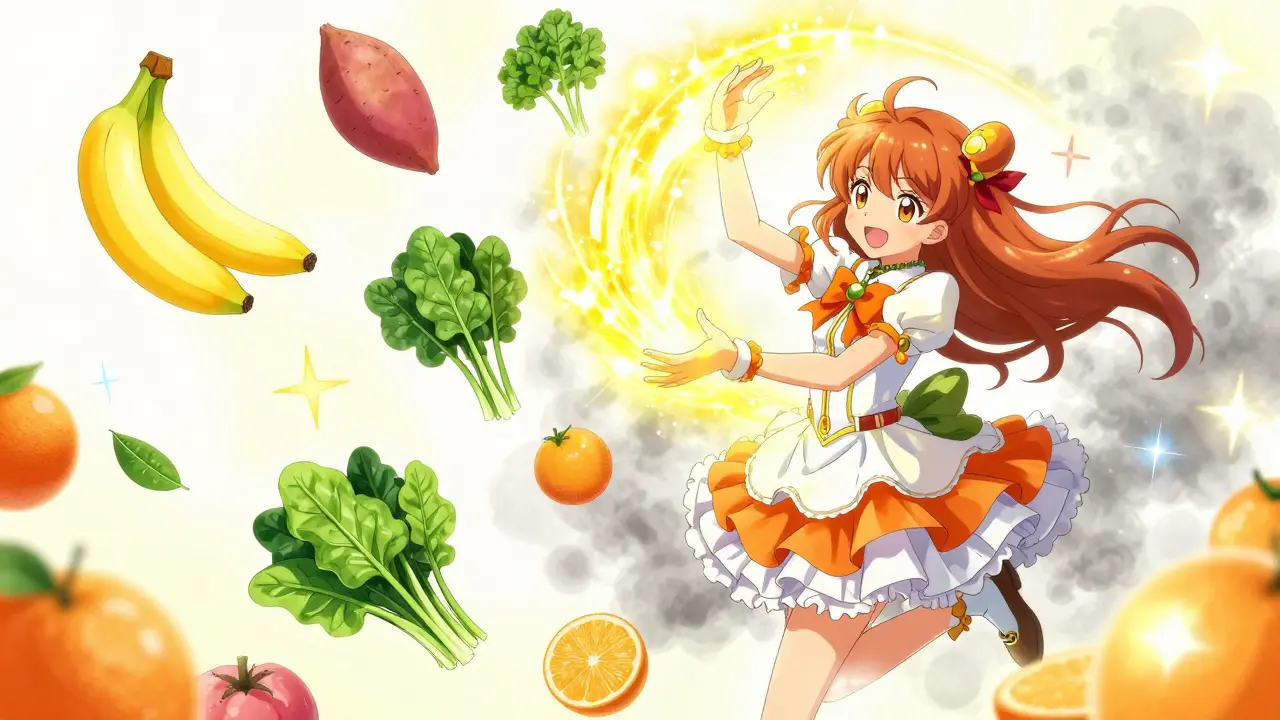
Cutting sodium is only half the battle. You also need to increase potassium. Potassium helps your kidneys flush out sodium and relaxes blood vessel walls. The 2023 ACC/AHA Hypertension Guideline Update recommends targeting 3,500 to 5,000 mg of potassium daily. Good sources include bananas, sweet potatoes, avocados, and beans. A 2022 follow-up trial showed that combining high potassium with low sodium reduced systolic pressure by an extra 7.2 mmHg compared to sodium reduction alone. Think of it as a two-pronged attack on high blood pressure.
Monitoring Your Progress
Tracking helps you stay accountable. Many users report success when they track their intake for 30 days. Apps like the AHA's 'Sodium Swap' can help you log meals. You should also monitor your blood pressure at home. If you see a consistent drop after making changes, it confirms the strategy is working. Remember, consistency matters more than perfection. One salty meal won't ruin your progress, but a pattern of high intake will.
Frequently Asked Questions
Is sea salt healthier than table salt?
Chemically, sea salt and table salt are both sodium chloride. Sea salt may contain trace minerals, but the sodium content is nearly identical. It is not a healthy alternative if you are trying to lower your intake.
Can I use salt substitutes safely?
Most salt substitutes use potassium chloride. They can reduce sodium intake by 300-500 mg per meal. However, people with kidney disease should consult a doctor before using them, as too much potassium can be dangerous for them.
How long does it take to see blood pressure changes?
Some people see changes within a week. The CARDIA-SSBP study showed an 8 mmHg drop in systolic pressure after just seven days of a low-sodium diet. For others, it may take a few weeks for taste buds to adjust and for full benefits to appear.
Does cooking at home guarantee low sodium?
Not necessarily. If you use canned broths, processed sauces, or pre-seasoned meats at home, you can still consume high sodium. You must check labels on all packaged ingredients, even for home cooking.
Is low sodium boring?
It can be at first, but taste buds adapt. After 2 to 4 weeks, foods that used to taste normal will seem too salty. Using fresh herbs, spices, and citrus makes the transition easier and keeps meals flavorful.
Next Steps for Your Heart Health
Lowering sodium is one of the most cost-effective interventions for preventing stroke and heart disease. Every 1,000 mg daily reduction translates to about an 8% lower stroke risk over ten years. Start by swapping one processed meal for a home-cooked option this week. Check the labels on your bread and soup. Add a potassium-rich food to your lunch. Small, consistent changes add up to big health wins. Your heart will thank you for the effort.




Comments
Rama Rish
March 26, 2026 AT 19:08 PMits really hard to stop eating salt when your mom makes curry with so much of it but i try to use less now
Amber Gray
March 28, 2026 AT 06:10 AMpeople need to stop blaming food companys and just eat real food like our ancestors did!! 🇺🇸👍
Danielle Arnold
March 28, 2026 AT 11:34 AMsure and i should also stop breathing oxygen because its bad for my lungs
James Moreau
March 30, 2026 AT 01:30 AMit is interesting to see how different cultures handle salt intake in their daily meals
Seth Eugenne
March 31, 2026 AT 15:13 PMhaha i get the joke but seriously this article has some good points for heart health 😊
Zola Parker
April 1, 2026 AT 10:28 AMsalt is natural and the earth needs it to function properly so why fight nature :)
florence matthews
April 1, 2026 AT 15:47 PMi think balance is key here we all have different needs :) maybe try listening to your body
Kenneth Jones
April 2, 2026 AT 14:21 PMjust stop eating junk
winnipeg whitegloves
April 3, 2026 AT 01:01 AMthe culinary landscape is rife with sodium traps lurking in the shadows of processed delicacies
Rachele Tycksen
April 3, 2026 AT 22:34 PMyeah its true like my soup cans have too much salt in them i guiss
Aaron Sims
April 4, 2026 AT 18:57 PMthe FDA is just trying to control our bodies!!! they want us weak!!!
Stephen Alabi
April 5, 2026 AT 20:56 PMOne must understand that the physiological implications of sodium retention are multifaceted and often misunderstood by the layperson. The kidneys function as filtration units that become compromised under excessive osmotic load. When blood volume expands, the shear stress on the endothelial lining increases significantly. This mechanical stress triggers inflammatory pathways that lead to arterial stiffening over time. Furthermore, the genetic predisposition to salt sensitivity cannot be ignored in clinical assessments. Many individuals fail to recognize that their dietary habits are contributing to a silent epidemic. The correlation between processed food consumption and hypertension is well-documented in peer-reviewed literature. It is imperative that we adhere to the guidelines set forth by reputable health organizations. Ignoring these facts leads to preventable cardiovascular events in the long term. We must prioritize our vascular health above mere gustatory pleasure. The data from the CARDIA study is particularly compelling in this regard. It demonstrates rapid physiological responses to dietary modification within a short timeframe. Therefore, the recommendation for reduced intake is not merely a suggestion but a medical necessity. Those who dismiss this evidence do so at their own peril regarding future health outcomes. Ultimately, the choice lies with the individual to prioritize longevity over immediate flavor gratification.
Kevin Siewe
April 6, 2026 AT 09:41 AMtaking small steps is better than trying to change everything at once
Chris Farley
April 6, 2026 AT 21:47 PMweakness is the result of not following the rules of nature and diet